


Těšíme se na vaši zprávu
Naše továrna byla založena v roce 2006
-
 Mobile/Whats app/Wechat: +86-18761594570 (slečna Jenny Chen)
-
 E-mail: [email protected]
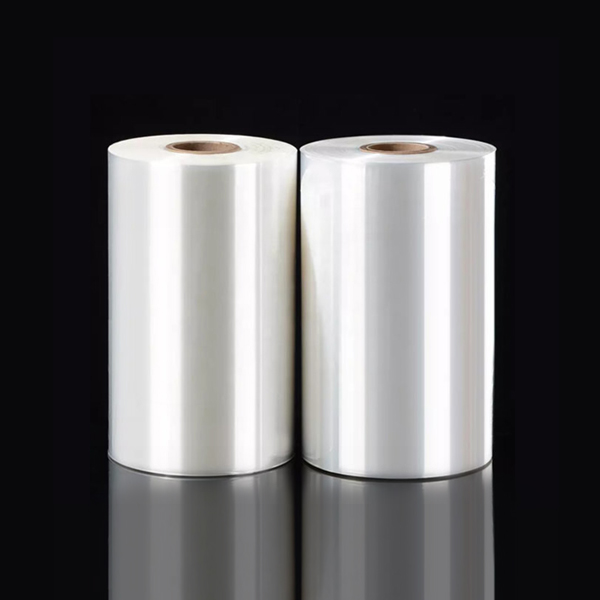
Polyolefin Plastic Wrap: Safety, Benefits & Industrial Uses
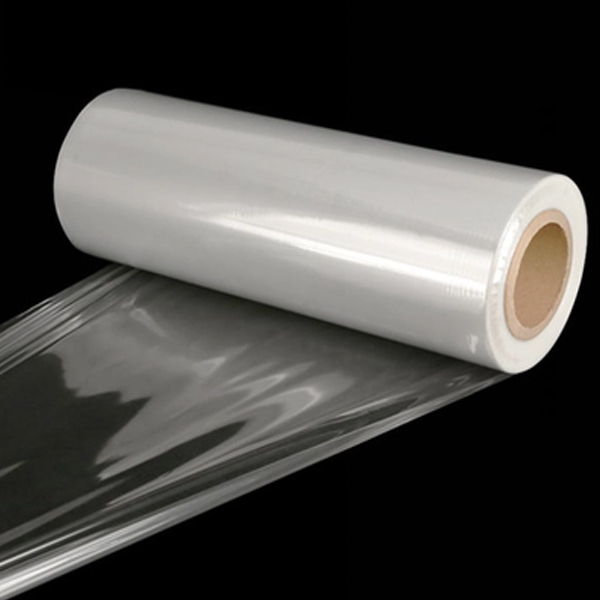
Polyolefin plastic wrap has emerged as the superior alternative to traditional PVC films for both food preservation and industrial packaging. It offers a non-toxic, chlorine-free solution that provides excellent clarity, durability, and heat resistance without leaching harmful chemicals. As consumers and industries prioritize safety and sustainability, polyolefin (specifically polyethylene and polypropylene blends) has become the standard for high-quality stretch film, ensuring product integrity while minimizing environmental impact.
Why Polyolefin Is Safer Than PVC
The primary driver behind the shift toward polyolefin plastic wrap is health and safety. Traditional Polyvinyl Chloride (PVC) wraps often contain plasticizers like phthalates to make them flexible, which can migrate into food, especially fatty foods, when heated.
Non-Toxic Composition
Polyolefin films are made from polymers of olefins, such as ethylene and propylene. They are completely free of chlorine, phthalates, and heavy metals. This makes them FDA-approved for direct food contact and safe for microwave use. Unlike PVC, polyolefin does not release toxic dioxins when incinerated, making it a safer option for disposal and environmental health.
Heat Resistance and Stability
One of the distinct advantages of polyolefin is its thermal stability. It can withstand temperatures ranging from -58°F to 194°F (-50°C to 90°C) without degrading or melting onto food. This allows users to safely cover dishes in the microwave or store hot items directly, a practice that is risky with PVC wraps which may warp or leach chemicals at lower temperatures.
Performance Benefits in Packaging
Beyond safety, polyolefin plastic wrap delivers superior mechanical performance. Its molecular structure provides unique properties that enhance both consumer convenience and industrial efficiency.
High Clarity and Gloss
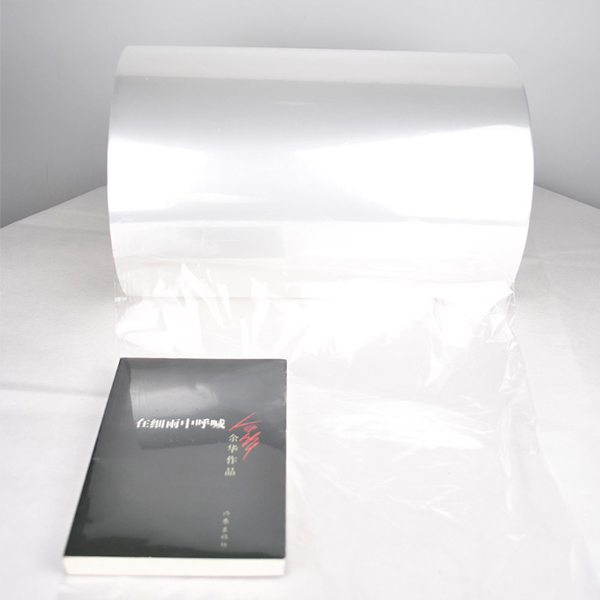
For retail packaging, visual appeal is critical. Polyolefin films offer exceptional optical clarity and a high-gloss finish that enhances the visibility of the product inside. This "glass-like" transparency makes it ideal for packaging fresh produce, baked goods, and consumer electronics, allowing customers to inspect items without opening the package.
Durability and Puncture Resistance
Polyolefin is significantly tougher than PVC. It has high tensile strength and puncture resistance, meaning it can protect sharp-edged items or heavy loads without tearing. In industrial settings, this translates to fewer breaks during the pallet wrapping process, reducing material waste and downtime. Additionally, it maintains its elasticity over time, ensuring that wrapped items remain secure during transit.
Environmental Impact and Recyclability
Sustainability is a major consideration in modern packaging choices. Polyolefin plastic wrap aligns better with eco-friendly initiatives compared to other plastic films.
| Factor | Polyolefin (POF/PE) | PVC |
|---|---|---|
| Chlorine Content | None | High (57%) |
| Recyclability | Widely Recyclable (#2 or #4) | Difficult to Recycle (#3) |
| Incineration Byproducts | CO2 and Water | Toxic Dioxins |
| Biodegradability | Low (but recyclable) | Very Low |
Polyolefin films are classified under resin identification codes #2 (HDPE) or #4 (LDPE), which are accepted by most curbside recycling programs that handle plastic bags and films. This contrasts sharply with PVC (#3), which is rarely accepted due to its chlorine content and potential to contaminate recycling streams.
Common Applications of Polyolefin Wrap
The versatility of polyolefin plastic wrap allows it to serve diverse sectors, from household kitchens to large-scale logistics.
Food Service and Retail
In supermarkets, polyolefin shrink film is used to bundle multi-packs of beverages, canned goods, and boxed items. Its clarity ensures barcodes remain scannable, while its strength keeps products securely together. For fresh food, it is used to wrap trays of meat, cheese, and produce, providing a breathable yet protective barrier that extends shelf life.
Industrial and Logistics
Stretch wrap made from linear low-density polyethylene (LLDPE), a type of polyolefin, is the standard for palletizing goods. It provides load stability during shipping, protecting items from dust, moisture, and tampering. High-performance pre-stretched polyolefin films can reduce material usage by up to 30% compared to traditional cast films, offering cost savings for businesses.
How to Choose the Right Polyolefin Wrap
Selecting the appropriate polyolefin plastic wrap depends on your specific needs, whether for home use or industrial application.
- Thickness (Gauge): For household food storage, a thickness of 10-12 microns is sufficient. For industrial pallet wrapping, look for films between 15-25 microns for heavier loads.
- Stretch Ratio: High-quality polyolefin stretch films can stretch up to 250-300%. Higher stretch ratios mean less film is needed per pallet, reducing costs and waste.
- Clarity vs. Color: Choose clear film for retail products where visibility is key. Colored or tinted polyolefin films are available for security purposes or to differentiate inventory in warehouses.
- Certification: Ensure the film is certified food-safe (FDA or EU compliance) if it will come into contact with edibles. Look for labels indicating "BPA-Free" and "Phthalate-Free."
Doporučené produkty
Kontaktujte nás
Chcete vědět více?

- E-mail: [email protected]
- Phone: +86-18761594570 (slečna Jenny Chen)
- WhatsApp: +86-18761594570
- Address : č. 58-2, Panlongshan Road, Shanguan Town, Jiangyin City, provincie Jiangsu, Čína
Kategorie produktů
- Standardní smršťovací fólie POF
- Role polyolefinové smršťovací fólie
- POF teplem smrštitelná fólie
- POF plastová fólie
- POF smršťovací role
- Materiál smršťovací fólie POF
- Smršťovací fólie POF
- Polyolefinová smršťovací fólie se středovým složením
- Mikroperforovaná smršťovací fólie POF
- POF smršťovací fólie
- Polyolefinová smršťovací fólie
- Polyolefinový plastový obal
Sledujte nás
autorská práva © 2025 by Jiangyin Guanghong Packing Materials Co., Ltd. Rights Reserved.
 Výrobci smršťovacích fólií POF